
Bargello Museum
- art-museum
- Price: €2 - €12
- Opening hours: 08:15 - 13:50, extended afternoons 22 Mar - 18 Aug; closed on alternating Mondays and Sundays
History
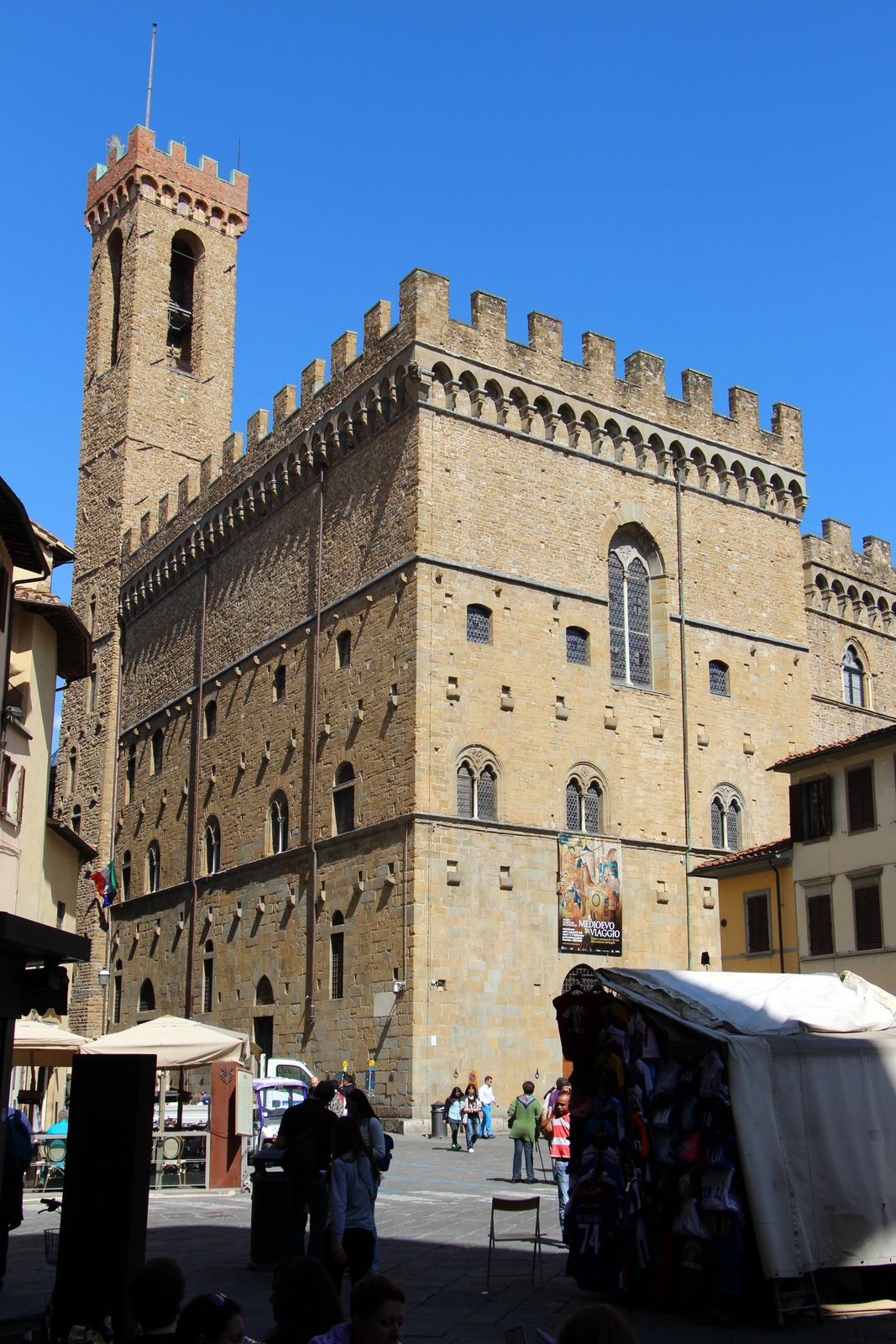
Begun in 1255 as the seat of the Capitano del Popolo and later home to the Podestà, Florence's chief magistrate, the Bargello was built as a working fortress of government as much as a palace — its blocky, crenellated silhouette was meant to project authority, not welcome. Its popular name arrived centuries later, borrowed from the bargello, or police chief, who took up residence once the building was converted into a prison in the 16th century.
Executions were carried out in its courtyard until 1786, when Grand Duke Pietro Leopoldo abolished capital punishment in Tuscany — among the first states in the world to do so. Restored and reopened in 1865, the Bargello became Italy's first national museum dedicated to sculpture, and it has quietly held that status, largely overlooked by mass tourism, ever since.
Did you know?
The museum owns not one but two statues of David by Donatello, and setting them side by side reveals just how far the sculptor pushed himself between commissions: a youthful, fully clothed marble David from 1408-09, still rooted in Gothic tradition, and his celebrated bronze David from the 1440s — a nude, languid, almost androgynous figure and the first freestanding male nude cast in bronze since antiquity.
In the room once known as the Salone del Consiglio Generale hang two small bronze panels, both depicting the Sacrifice of Isaac, that Filippo Brunelleschi and Lorenzo Ghiberti submitted as their entries for the 1401 competition to design the Baptistery's bronze doors. Ghiberti won, launching a career-defining commission, but historians still display both panels together here — the moment is often cited as the symbolic starting point of the Florentine Renaissance.
Good to know
The Bargello keeps unusually irregular hours: it typically opens 08:15-13:50, with extended afternoon hours in spring and summer, and closes on alternating Mondays and Sundays rather than a fixed weekly day — always check the current schedule the day before you plan to go, since it changes through the year.
The reward for navigating those quirks is a museum that, despite holding one of the world's great collections of Renaissance sculpture, rarely feels crowded the way the nearby Uffizi or Accademia do. It sits just a few minutes' walk from Piazza della Signoria, making it easy to combine with Palazzo Vecchio, and booking reserved entry ahead is worth it mainly to skip the usually short ticket line rather than out of fear of sell-outs.